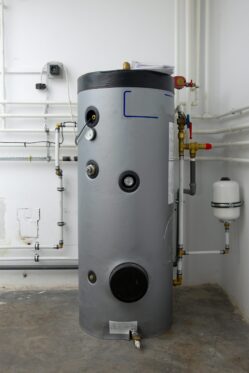
Boilers work hard during New York winters, often running for long stretches without much rest. When cold weather settles in, small issues that went unnoticed during milder months can turn into comfort problems or full system shutdowns. A little preparation before temperatures drop can help your boiler run more smoothly and reduce the chance of mid-winter surprises. At Heatwave Heating & Cooling, in Amherst, NY, we help you stay ahead of seasonal heating stress with maintenance that suits the way you use a boiler in the coldest weather.
Why Boilers Need Attention Before Deep Cold Arrives
Boilers heat your home by moving hot water or steam through pipes, radiators, or baseboards. This process depends on steady pressure, clean components, and reliable controls. As outdoor temperature drops, the system runs longer cycles and responds more frequently to thermostat calls. Any weakness shows up faster under that demand.
In New York homes, boilers often sit idle or run lightly in the fall. Sediment can settle, valves can stiffen, and small leaks can develop without obvious signs. Once winter arrives, those issues combine with colder water entering the system and greater pressure changes. Addressing problems before that point helps prevent uneven heating, noisy operation, or sudden shutdowns when your system is working its hardest.
Keep an Eye on Pressure and Water Levels
Boiler pressure plays a direct role in safe and steady heating. If pressure runs too low, heat may not circulate through the system. If pressure climbs too high, relief valves may open, or components may wear faster than expected. Many homeowners glance at the pressure gauge but are not sure what the reading means.
Before winter, pressure should sit within the range recommended by the manufacturer. Sudden changes can point to expansion tank issues, air trapped in the system, or internal leaks. Water levels matter just as much, especially in steam boilers. Low water conditions can damage internal parts and trigger safety shutoffs. Checking these readings early allows time for corrections before cold weather creates higher demand.
Pay Attention to Strange Sounds and Delayed Heating
Boilers often give warning signs before performance drops. Banging, gurgling, or whistling sounds usually point to air in the lines, mineral buildup, or flow problems. These sounds tend to become more noticeable as the system cycles more often in colder weather.
Delayed heating is another early signal. If radiators take longer to warm up, or certain rooms stay cooler than others, the issue may involve circulation pumps, zone valves, or trapped air. Ignoring these signs in autumn often leads to uneven comfort once winter settles in. Addressing them early keeps heat distribution steady throughout the house.
Test Safety Controls Before You Need Them
Boilers rely on multiple safety controls to operate properly. These include pressure relief valves, low water cutoffs, and limit switches. During the heating season, these parts protect the system from unsafe conditions and shut it down when needed.
Problems arise when safety components stick or fail to respond because they have not been tested in months. A relief valve that does not open or reseal properly can leak. A low water cutoff that fails to detect water loss can allow damage inside the boiler. Testing these controls before winter cold snaps helps confirm that the system can protect itself during long heating cycles.
Check Venting and Exhaust Paths
Boilers need clear exhaust paths to operate safely. In many New York homes, vent pipes run through basements, crawl spaces, or exterior walls. Snow buildup, debris, or nesting animals can restrict airflow as winter approaches.
Restricted venting can cause the boiler to shut down or operate inefficiently. It can also create indoor air quality concerns. A visual check of vent connections and outdoor exhaust points helps catch obstructions before cold weather limits access. Proper venting supports stable combustion and steady heat output.
Why Professional Maintenance Before Winter Matters
While homeowners can observe basic system behavior, professional boiler maintenance goes further. Technicians clean internal components, check combustion settings, test controls, and inspect parts that are not visible from the outside. This type of service helps address wear caused by previous heating seasons.
In New York’s climate, boilers often run for months with few breaks. Starting the season with a system that has been inspected and tuned helps reduce stress on components and improves efficiency during long heating periods. It also lowers the risk of unexpected shutdowns requiring repairs during the coldest weeks of the year.
Preparing Your Boiler for the Coldest Weather
Boiler maintenance focuses on pressure balance, safe operation, and reliable heat delivery. Addressing small issues early helps your system respond better to long run times and colder water entering the system. At Heatwave Heating & Cooling, we provide boiler inspections, safety checks, and seasonal maintenance that support dependable heating all winter long.
Call our team at Heatwave Heating & Cooling to schedule your service now and get your home ready for the year’s coldest weather.