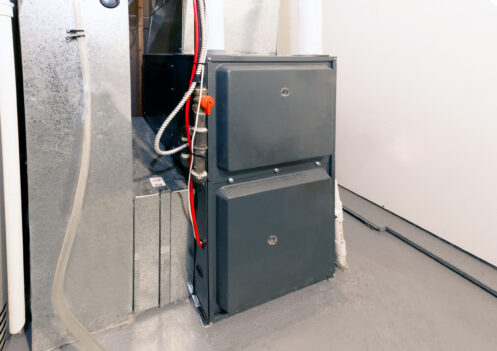
Older homes have a special kind of charm, from original wood trim and tall ceilings to archways and plaster walls. They can also have chilly corners, drafty windows, and mystery radiators that never quite heat up. Caring for a historic home means balancing comfort with respect for the structure and finishes. At Heatwave Heating & Cooling in Amherst, NY, we help you sort through your heating options so your older home feels cozy without losing what makes it unique.
How Older Homes Lose Heat in the First Place
Historic houses were built in a different era with different materials and no central air conditioning in mind. Thick plaster walls, tall ceilings, original windows, and long interior hallways all change how heat moves. Warm air rises into stairwells and unused rooms, and drafts slip in around old sash frames and door thresholds. You might notice hot air pooling near the ceiling of one room while your feet feel cold on wood floors. Floors over crawlspaces and uninsulated basements also drop the temperature in first-floor rooms. Before you think about new equipment, it helps to understand where the heat you already pay for is going. That way, any upgrade has a better chance of giving you results you can feel.
Furnaces, Boilers, and Heat Pumps in Older Homes
Many older homes started with a boiler and radiators or a gravity furnace that later changed to a forced air system. Each path behaves differently. A gas or oil furnace moves heat through ductwork and sends warm air out of floor or ceiling registers. That can work well if the ducts are designed carefully and have enough return paths back to the equipment. A boiler heats water and sends it through radiators or baseboard fins. That approach gives soft, even warmth and works nicely with thick walls and high ceilings, as long as piping and controls stay in good shape.
Modern heat pumps give you another option, especially in regions with mild to moderate winters. A heat pump moves heat rather than making it from fuel, which often means lower energy use for the same comfort level. In an older home, a heat pump can pair with existing ducts or work as a ductless system in rooms that never had supply runs. The right choice depends on fuel costs in your area, the condition of your current system, and how much renovation you are ready to take on. A professional can measure load, study layout, and map out which type of system fits your house structure and budget.
Working With Radiators and Existing Ductwork
Many people who live in older homes already have heating equipment that can work very well once it is tuned and maintained. Cast iron radiators may look old-fashioned, yet they hold heat and release it slowly, which matches older construction nicely. If you have radiators, your focus often shifts to valves, air vents, and balancing. A heating specialist can clean and service each radiator, check that air vents open and close when they should, and set the boiler controls so water temperature matches real demand instead of running hotter than needed.
For homes with forced air, ducts usually deserve a closer look. Original gravity ducts that were narrowed or extended can restrict flow to some rooms. Long runs through unconditioned attics or basements can lose heat before air reaches your living space. A technician can measure static pressure, airflow, and temperature drop through the system and recommend sealing, repairs, or changes in duct size. The goal is to move the right amount of warm air to each room without noise or drafts. Simple steps like adding return paths in closed-off rooms or sealing obvious leaks at joints can support comfort without tearing out walls.
Insulation and Air Sealing That Respect Old Construction
Insulation and air sealing do a lot for comfort in older homes, yet they need to be handled with care. Plaster walls, knob and tube wiring, and original trim all change what makes sense. You might not want to blow material into every wall cavity if the wiring is outdated or if you need the walls to dry in a certain direction. Instead, many older homes benefit from air sealing in the attic, at top plates, around plumbing and electrical penetrations, and along the rim joist above foundations. Closing those gaps reduces stack effect, which is the rising movement of warm air that pulls cold air in low and sends heated air out high.
Once air movement is under control, targeted insulation can help. Attic floors with bare boards can take new insulation between joists with care taken to leave ventilation paths at the eaves. Basement or crawlspace headers can be sealed and insulated while still allowing access for inspection. Weatherstripping on doors, new sash locks, or interior storm panels on historic windows can lift comfort while keeping original glass in place. A contractor who understands old buildings can guide you through options that support comfort and protect the structure.
Keep Your Historic Home Warm All Winter
Comfort in an older home comes from more than one fix; it comes from the right mix of heating maintenance, smart upgrades, and small changes that respect the age of the house. Our skilled HVAC team can service boilers and furnaces, fine-tune radiators, suggest zoning or ductless options for hard-to-heat rooms, and check airflow so each space feels more even. If you want a warmer historic home that still looks and feels like itself, schedule your heating service with Heatwave Heating & Cooling today.